I study AI, HCI (Human-Computer Interaction), and Psychology. My ultimate research goal is to solve social problems that remain unaddressed. Recently, I've been drawn to studies showing that AI and human cognitive structures are remarkably similar, and I believe this similarity can become a powerful tool for better understanding autism.
Below, I share what I think about, what drives my research, and a bit more about who I am. I hope it helps you understand me better.
Why do people live? I've heard many different answers from people at university and across various communities. Some say it's for joy and happiness; others say they simply live because they were born. If you asked me, I would say I live for the Lord — and I try to make the most of each day given to me.
Yet the world we live in is inherently full of unavoidable suffering. In the web novels I enjoy, protagonists always resolve to "grow strong enough so that no one can threaten my family and my life." These lines exist to drive the plot, but they also reveal a deep human fear: the dread of becoming an object rather than a subject — of having our happiness stripped away by forces beyond our control, and being powerless to resist.
Everyone has different reasons for living. Just as I place more value in Scripture than in others' philosophies, no amount of sharing can easily change how another person chooses to live. Still, it breaks my heart to think that anyone's reason for living can be unjustly disrupted — that a single moment can shatter a person or a family. I've come to realize that the world we live in is designed in a way that makes it all too easy for our hearts to crumble.
As individuals, we often feel powerless. I cannot stop wars, end bullying in schools, or fix the fundamental inequalities of society. But these are problems that must be solved — and someone has to try. So I began searching for what I could do.
As the digital age advances and jobs disappear faster than they're created, people grow anxious. We can reach anyone at any time, go anywhere — yet loneliness keeps rising. Provocative media and consumer culture prevent people from thinking independently, trapping them in manufactured desires. We compare ourselves to others and sink into despair.
One person cannot reverse these societal trends. But we can reduce their impact. Autism spectrum disorder is increasing rapidly around the world. The exact cause remains unclear, but within a decade, encountering someone with autism will be commonplace everywhere.
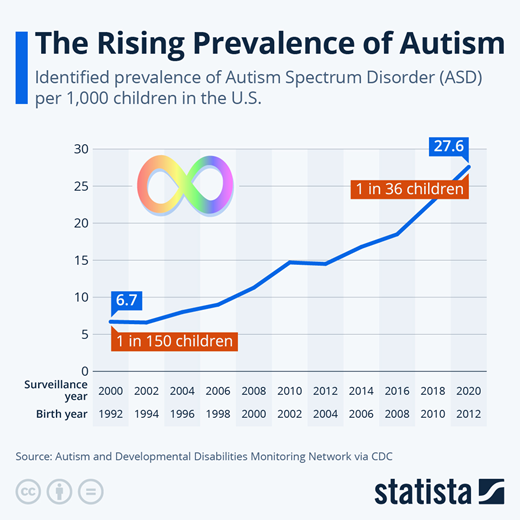
Yet there is no definitive cure for autism. Psychological therapy is necessary, but even getting patients to participate in clinical research is a challenge. Without support, they may struggle to develop socially and to communicate with others. How can we reduce the impact of this growing trend? Can families affected by autism find hope for treatment instead of watching their lives fall apart?
Below is the future I dream of — my vision as a researcher:
- Investigate whether injecting an autistic person's cognitive profile into AI can enable viable clinical simulations.
- Develop communication interfaces that allow individuals with autism — who struggle with conventional interaction — to express themselves.
- Replace resource-intensive interventions with everyday-life-based recovery approaches, offering hope and practical relief to families raising children with autism.
I hope that more researchers will share this vision, and that one day, people everywhere can break free from the hardships they cannot resist and live their lives as the authors of their own stories.
The biggest catalyst for my way of thinking was discipleship training through CCC (Cru). At POSTECH, I joined the Pohang CCC chapter and underwent discipleship training. It transformed my future from one fixated on money and a stable job into one pursuing a greater vision.
Beyond that, I love talking with people and enjoy board games and good food. I also play instruments as my main way to relieve stress. The tone here may be lighter than the rest of this page, but if you'd like to get to know me better, please feel free to reach out. Thank you for reading!
저는 AI와 HCI (Human-Computer Interaction), 심리학에 관심을 가지고 공부하고 있습니다. 연구의 궁극적인 목표는 아직 해결되지 않은 사회적 문제를 해결하는 것입니다. 최근에는 AI와 사람의 사고 구조가 비슷하다는 연구 결과에 관심을 가지고 이러한 유사성이 자폐아를 더 이해하는 도구가 될 것이라 생각하고 있습니다.
이 아래에는 제가 어떤 생각을 하고 사는지, 그리고 무엇을 목표로 연구를 하고 있는지 자세히 적어보았습니다. 저를 이해하시는 데 많은 도움이 되실 것이라 생각합니다.
사람들은 왜 사는 걸까요? 대학교와 여러 소통 플랫폼에서 많은 사람들의 이야기를 들었지만 각자의 생각이 달랐습니다. 누군가는 즐거움과 행복이라고 하는 한편, 누군가는 그저 태어났기 때문에 살아가는 것이라고 하였습니다. 만약 저의 견해를 묻는다고 한다면, 저는 주를 위하여 산다고 하겠습니다. 그리고 나에게 주어진 하루하루를 최선을 다해 살아가고 있습니다.
그러나, 우리가 사는 이 세상은 본질적으로 "피할 수 없는 고통"이 많습니다. 제가 좋아하는 웹소설들에서 주인공들은 항상 '나의 가족들과 나의 삶을 지키기 위해서는 다른 사람들에게 방해받지 않을 정도의 힘을 길러야겠다'는 다짐을 합니다. 이런 고백은 이야기의 전개를 위한 대사이기도 하지만, 일상에서 주체가 아닌 객체로 전락하여 외부의 요인으로 인해 행복이 빼앗기는 것과, 그것에 저항하지 못한다는 사실에 대한 우리들의 두려움을 보여줍니다.
각자의 삶의 이유는 다르기에, 제가 다른 사람의 이야기들보다 성경 속 말씀에 더 가치를 두듯이 다른 사람들에게 저의 이야기를 아무리 전달하고 전파해도 한 사람이 살아가는 태도를 바꾸기는 쉽지 않습니다. 그렇지만, 각자가 살아가는 삶의 이유는 부당하게 방해받으며 때로는 한 순간에 한 사람과 가정의 삶이 무너진다는 사실은 생각만 해도 마음이 아파옵니다. 우리가 지금 살아가는 세상은, 각 사람의 마음을 지키지 못하고 쉽게 무너지도록 설계되어 있다는 것을 발견했습니다.
그러나 우리 각 사람은 소시민과 같아 할 수 있는 것이 적어 보입니다. 적어도 저는, 전쟁을 멈출 수도 없고 각 학교에서 벌어지는 따돌림을 막을 수도 없으며, 사회의 본질적인 불평등을 해결할 수도 없습니다. 그러나, 해결되어야 하는 일이며 누군가는 해야 합니다. 그렇게 제가 할 수 있는 일들을 찾아보기 시작했습니다.
디지털 시대가 다가오고 일자리가 창출되는 속도보다 사라지는 속도가 높아지면서 많은 사람들이 불안해합니다. 언제든지 서로 연락할 수 있고 어디든지 갈 수 있도록 세상은 변하지만 외로움을 느끼는 사람들은 많아집니다. 자극적인 미디어와 여러 문화들은 각 사람들이 자신의 생각대로 사고하지 못하게 하고, 기업과 상품이 만든 욕구에 빠져들게 합니다. 그렇게 다른 사람들과 비교하며 우울해집니다.
한 개인이 각 사람의 심리적인 어려움에 대한 사회적 흐름을 막는 것은 불가능합니다. 그러나, 그 영향을 줄이는 것은 가능합니다. 자폐증(Autism)을 앓고 있는 사람들이 급증하고 있습니다. 그 이유는 명확히 밝혀진 바는 없지만, 10년 뒤에는 전 세계 어디서든 자폐증을 겪는 사람을 쉽게 발견할 수 있을 것입니다.
그러나 자폐는 명확한 치료 방법이 없습니다. 심리 상담을 해야 하는데, 환자를 임상 실험에 참여시키는 것부터가 어렵습니다. 그렇기에 사회적으로 발달하지 못하거나, 사람들과 대화하고 소통하지 못하게 됩니다. 어떻게 이런 사회적 흐름의 영향을 줄일 수 있을까요? 원하지 않은 자폐증으로 인해 많은 가족이 생계가 무너지거나 울지 않고 치료의 희망을 꿈꿀 수 있을까요?
아래는 제가 꿈꾸고 있는 미래이자, 연구자로서의 비전입니다.
- AI에게 자폐아의 자아를 주입하여 임상 실험이 진행될 수 있는지, 효과가 있는지 연구한다.
- 사고 방식이나 소통이 안 되는 자폐아가 임할 수 있는 소통 창구 및 인터페이스를 개발한다.
- 인적 자원이 많이 드는 방식이 아니라, 일상 기반 회복 방식을 통해서 자폐아를 기르고 있는 가정들에게 생길 문제를 막고 해결의 희망을 제공한다.
그리고 이런 비전을 가진 연구자들이 많아져서 세상의 많은 사람들이 저항할 수 없는 어려움에서 벗어나 자신의 인생을 주체적으로 살 수 있는 세상이 오길 바랍니다.
이렇게 생각하게 된 가장 큰 계기는 CCC 에서의 제자 훈련이었습니다. 저는 포항공대에서 포항 지구 CCC에 소속되어 제자훈련을 받았으며 돈과 안정적인 직장만을 바라던 미래에서 이뤄가야 하는 큰 비전을 발견하였습니다.
그 외에는 사람들과 대화하기를 좋아하고, 보드게임과 맛있는 음식 먹는 것을 좋아합니다. 악기 연주를 즐기며 주된 스트레스 해소법으로 삼습니다. 위 글의 내용과 분위기가 달라 많이 적지는 못 하지만, 더 저에 대해 알아가고 싶다면 편하게 연락 주시면 좋겠습니다. 읽어주셔서 감사합니다!